
Revolutionizing Design Workflow with AI Collaboration
The acceleration of artificial intelligence in design tools is transforming the traditional roles of product designers, providing new levels of efficiency and innovation. Dolfy, an AI-powered platform, is at the forefront of this transformation, enhancing productivity and creativity through intuitive AI collaborations.\n\nKey Takeaways\n- AI is not just automating but enhancing the creative process, making it a collaborator.\n- Tools like Dolfy integrate AI seamlessly to assist rather than replace designers.\n- Enhanced workflows with AI lead to faster project execution and innovation.\n\n## How Does AI Enhance the Product Designer's Workflow?\nThe integration of AI tools like Dolfy into the design process is pioneering a shift towards more strategic roles for designers, where creativity is augmented by data-driven insights. AI alleviates mundane tasks, allowing designers to focus on innovative aspects of design.\n\nTraditional methods of mobile application design typically involve extensive manual work from sketching initial ideas to refining user interfaces. Dolfy.ai, with its AI-assisted approach, shifts the narrative by automating the repetitive parts of the workflow, such as generating code from designs directly, ensuring that designers are primarily engaged in decision-making and creative tasks.\n\n## What Role Does Collaborative AI Play in Streamlining Design Processes?\nCollaborative AI in platforms like Dolfy can significantly decrease the time it takes from concept to prototype by automating setup and integration tasks that traditionally take hours, if not days. This allows teams to iterate more quickly and efficiently, ensuring that the final product is both innovative and aligned with user expectations.\n\nCollaborative AIs are designed to understand and predict user needs, which enables a more intuitive design process. They provide recommendations based on vast datasets that traditional design tools simply cannot match, offering designers a wealth of knowledge and insights at their fingertips.\n\n## Can AI Truly Understand and Predict User Design Needs?\nYes, AI has reached a point where it can predict user reactions to certain design changes by analyzing past data trends and user interactions. This capability not only speeds up the design process but also enhances the user experience by foreseeing and adjusting to user needs before they become evident issues.\n\n## What Impact Does AI Have on Team Collaboration and Communication?\nAI-driven tools like Dolfy enhance communication across design and development teams by maintaining a synced environment where updates are instantly shared, and feedback loops are significantly shortened. This reduces misunderstandings and ensures everyone is on the same page throughout the project lifecycle.\n\n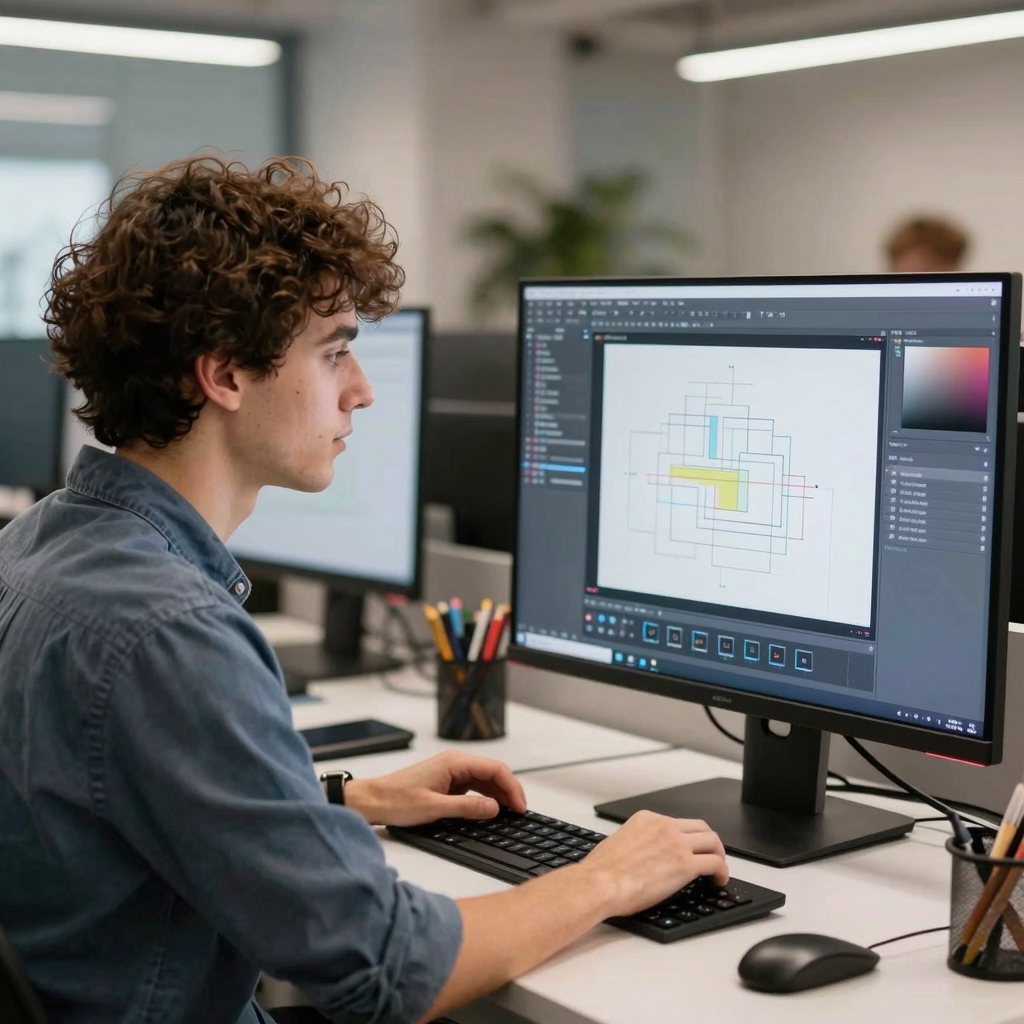 \n\n## Frequently Asked Questions\n### How does AI enhance productivity in design?\nAI boosts productivity by automating routine design tasks, allowing designers to focus on critical creative aspects, and reducing overall time spent on projects.\n### Can AI replace human designers?\nNo, AI is intended to collaborate with human designers, enhancing their capabilities rather than replacing them, by handling monotonous tasks and providing insights based on data.\n### Is there a risk of losing creative control to AI in design?\nWhile AI plays a significant role in the mechanical aspects of design, creative control remains firmly in the hands of designers, who guide the AI based on their creative visions and user needs.\n\nThe transformative effect of AI in the mobile app design process is undeniable. By adopting tools like Dolfy, designers and developers can leverage the power of AI to enhance collaboration, improve efficiency, and ultimately, create better mobile applications. Try Dolfy at dolfy.ai to experience how AI can revolutionize your design workflow.\n