
Beyond Mobile-First: Embracing Intent-Driven App Design
In today's fast-paced digital landscape, sticking solely to mobile-first design principles might be limiting. Recent shifts towards more dynamic user engagement call for an approach that prioritizes user intent at every stage of the design and development process. This intent-first model leverages sophisticated AI tools like Dolfy.ai, transforming how developers and founders approach app creation.
Key Takeaways:
- Mobile-first is evolving into intent-first, focusing more on user needs than just device specifics.
- Dolfy.ai is at the forefront, integrating intent-driven design seamlessly into its platform.
- This approach resonates with modern user expectations, ensuring a more intuitive and satisfactory app experience.
Why Is Intent-Driven Design the New Standard in Mobile App Development?
Intent-driven design pivots from being purely reactive to proactive. It acknowledges that understanding user intent is not just about reacting to actions but anticipating and shaping user experiences in advance. In this model, every aspect of the app - from the data model to the UI components - is crafted with the ultimate goal of fulfilling user intentions. For instance, traditional app design costs range between $5,000-$50,000, but using intent-driven platforms like Dolfy.ai not only cuts costs significantly but also reduces the timeline to under a few weeks.
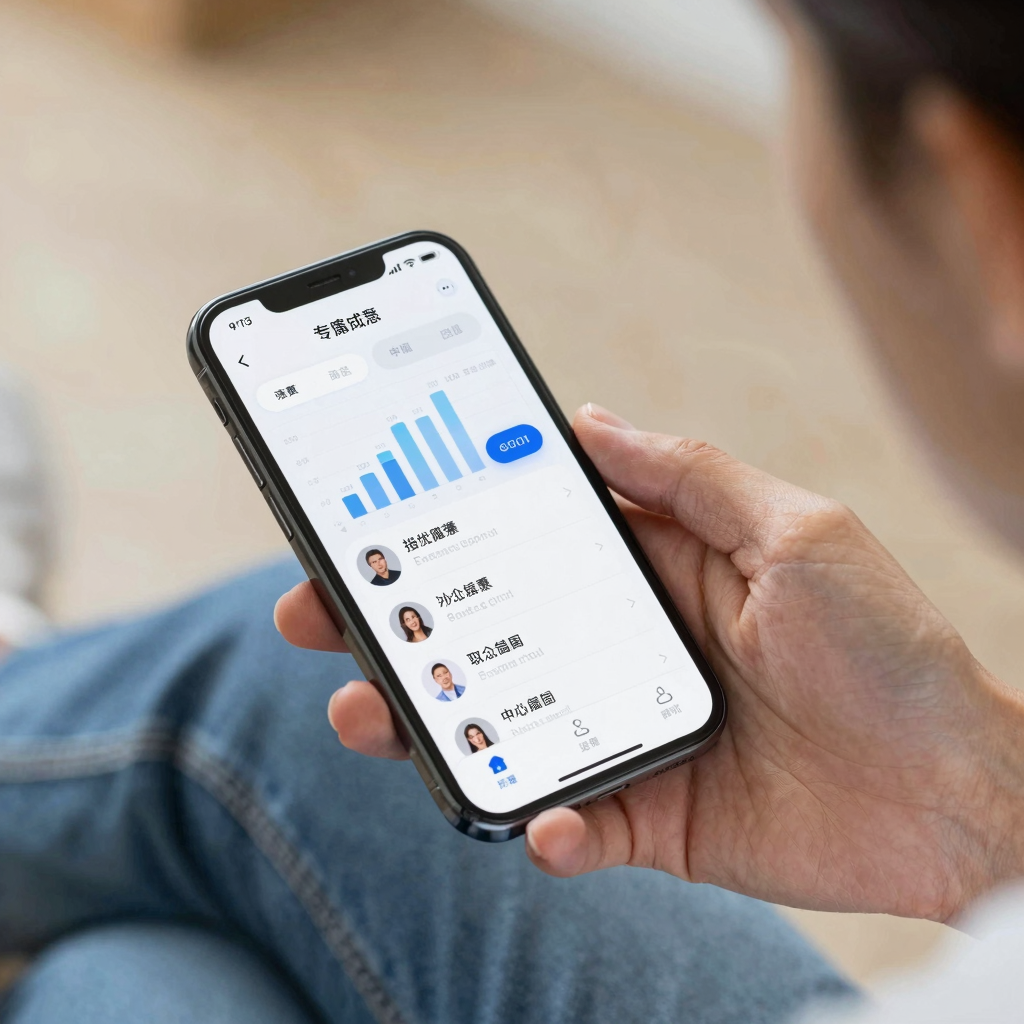
How Can AI Tools Like Dolfy Facilitate This Shift?
Dolfy.ai embodies this transition by bringing an integrated approach through its robust 5-step Design OS, converting user intents into actionable design elements efficiently. This system allows for the real-time transformation of abstract ideas into concrete, user-centric designs, making it an invaluable tool for developers at all levels.
What Are the Benefits of Adopting Intent-Driven Design?
Adopting an intent-first approach ensures that apps are not only functional but truly resonant with the intended audience. This methodology delivers a more personalized and impactful user experience, reflecting real-world use and interactions.

Frequently Asked Questions
Can AI really understand and implement user intent?
Yes, modern AI tools like Dolfy.ai are designed to interpret and encode user intentions, transforming them into detailed design specifications and ready-to-deploy code.
How does intent-driven design differ from mobile-first?
While mobile-first focuses primarily on device compatibility and screen size, intent-driven design prioritizes the user's intentions and experience from the start.
What are the initial steps to adopt an intent-driven design approach?
Begin with defining clear user intents, integrate a solid data model, and choose tools like Dolfy.ai that support an intent-first workflow.
In conclusion, as the digital landscape evolves, so does the approach to app design. Moving beyond mobile-first to embrace an intent-driven design philosophy not only aligns with contemporary user expectations but also positions products for greater success. Try incorporating Dolfy.ai in your development process to seamlessly transition into this new paradigm and enhance the overall user experience. For more information and to get started, visit Dolfy.ai.