
From Mobile-First to Intent-First: Redefining App Design
The widely adopted mobile-first approach might be setting your app's potential back. In a landscape dominated by diverse user interactions, an intent-first design philosophy — which prioritizes the user's core needs over the device format — is not only more adaptive but essential. Here, we will explore how this approach leverages tools like Dolfy to transform app development from a mobile-centric to a user-centric endeavor.
Key Takeaways:
- Understanding the limitations of mobile-first thinking in app development.
- Emphasizing user intent to drive better engagement and usability.
- Utilizing advanced AI-powered tools like Dolfy for efficient design implementation.
Why is Mobile-First Thinking No Longer Sufficient?
Mobile-first design has been a cornerstone of app development strategy, focusing on the smallest screen possible first. However, this approach often results in a limited scope for innovation and user engagement. Intent-first design shifts the focus from device to user, allowing developers to create more responsive, inclusive, and effective applications that respond to actual user needs.
How Does Intent-First Design Enhance User Interaction?
Focusing on user intent rather than device specifications allows designers to craft experiences that are truly relevant and engaging. By using tools like Dolfy, developers can quickly understand and integrate user intentions into every aspect of the design, ensuring that the app not only functions well on any device but resonates with the users on a personal level.
What Tools Facilitate the Shift to Intent-First Design?
Dolfy.ai offers a suite of AI-powered tools that streamline the shift from mobile-first to intent-first design. From initial idea to final product, Dolfy's tools help you define, design, and refine based on what users really want, not just what you think they want based on their device.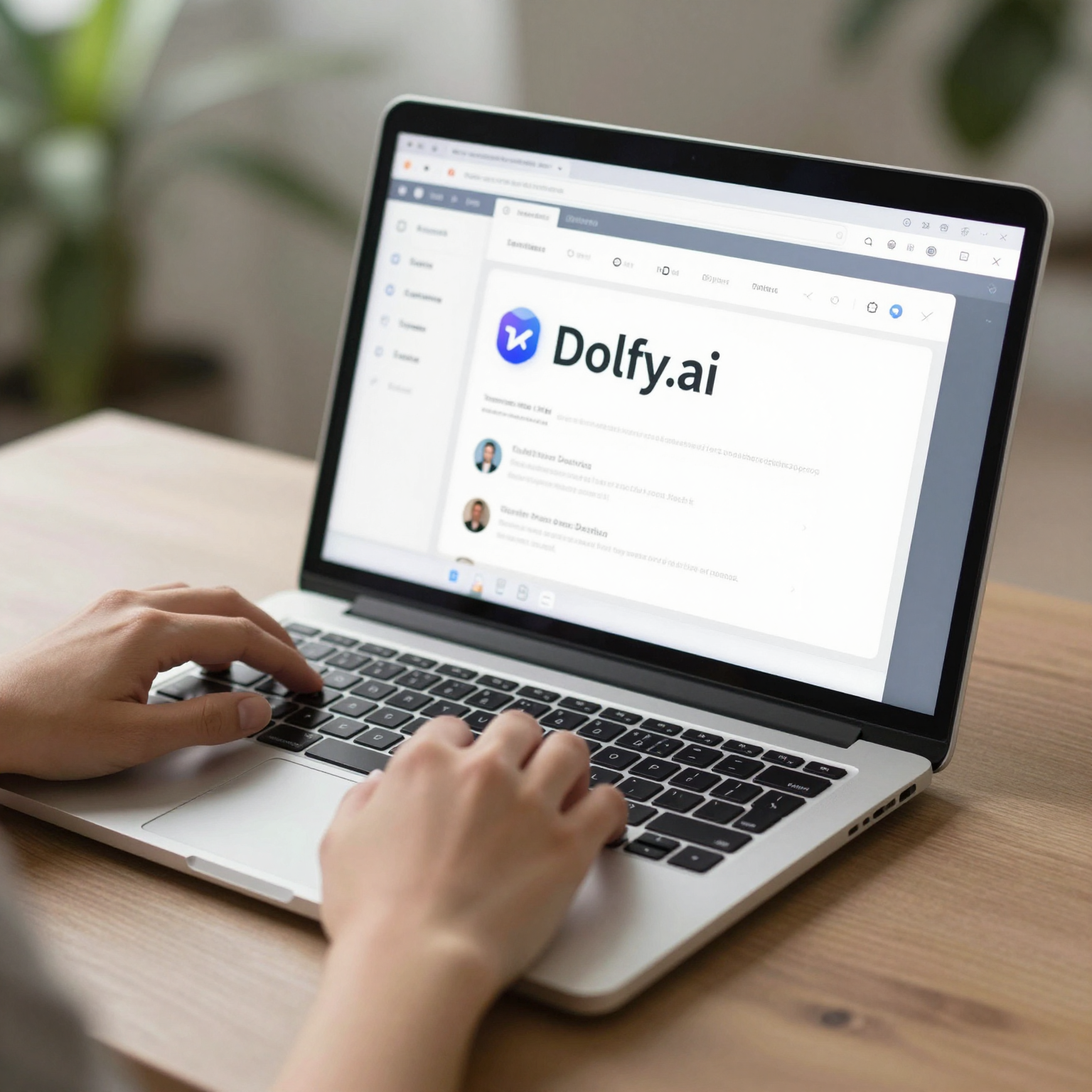
How to Implement an Intent-First Strategy in App Development?
- Start by understanding your users' core needs and motivations.
- Use Dolfy to translate these insights into a practical design blueprint.
- Continuously iterate on feedback to ensure the app remains aligned with user intentions.
Frequently Asked Questions
What makes intent-first design different from user-centric design?
While both focus on the user, intent-first design goes a step further by prioritizing the user's immediate intent over general usability or aesthetics, making the app more responsive and effective.
How can developers transition from a mobile-first to an intent-first strategy?
Developers should begin by reevaluating their current understanding of their user base, using tools like Dolfy to incorporate real user feedback and intentions into the design process.
Is intent-first design only applicable to mobile apps?
No, intent-first design can and should be applied to all digital products to ensure that they truly meet the needs of their users, regardless of the platform.
In a rapidly evolving digital landscape, where user expectations are continuously changing, an intent-first approach supported by AI tools like Dolfy offers a more adaptive, successful path in app design. Embracing this strategy not only enhances user satisfaction but also drives better business outcomes. Start reshaping your app development process at Dolfy.ai.